Jeep wheel design plays a critical role in off-road traction and long-term reliability, yet it’s often overlooked. The wrong wheels can limit grip, strain suspension parts, and reduce trail confidence. In this guide, you’ll learn how wheel construction, weight, and fitment directly affect off-road performance.
How Jeep Wheel Design Affects Off-Road Traction and Reliability
 By
shawn
By
shawn
In Car Guides
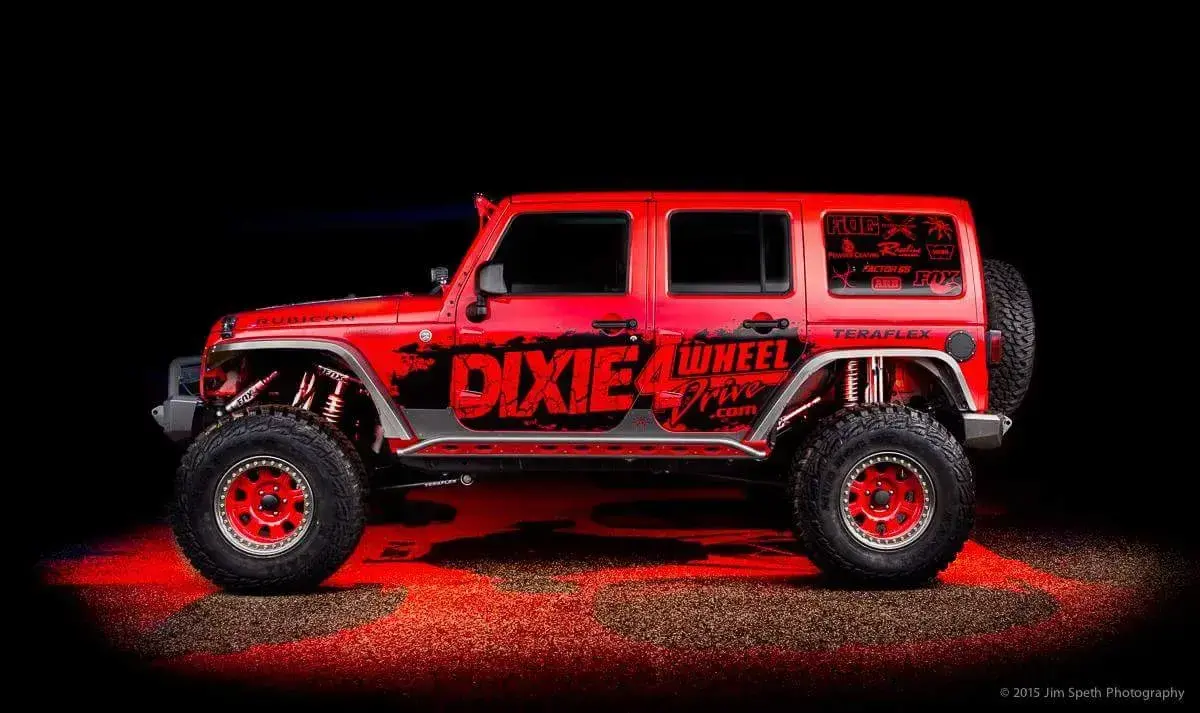
When building a capable Jeep, wheels are often chosen for appearance first and performance second. While style matters, wheel design plays a much bigger role in off-road traction and reliability than many drivers expect.
The way a wheel is constructed, how much it weighs, and how it fits with your suspension and tires all influence how your Jeep handles rough terrain. Pairing the right wheel setup with properly sized 33 off road tires can dramatically improve traction, durability, and confidence when tackling trails.
Wheel Construction Affects Strength and Weight
Wheel construction has a direct impact on how well your Jeep performs off road. Different manufacturing methods produce wheels with varying levels of strength, flexibility, and weight, all of which affect trail performance.
Cast wheels are common and affordable, making them popular for daily-driven Jeeps that see light to moderate off-road use. However, cast wheels tend to be heavier and more brittle than other options. Under hard impacts, they’re more likely to crack instead of bending, which can be a problem on rocky trails.
Forged wheels offer significantly higher strength while reducing overall weight. This strength-to-weight advantage improves handling and reduces unsprung mass, allowing suspension components to respond more effectively to terrain changes. Lighter wheels also reduce stress on axles, steering components, and wheel bearings during off-road use.
Beadlock-style wheels are another consideration for serious off-roaders. These wheels clamp the tire bead in place, allowing drivers to safely air down to very low pressures without risking the tire popping off the wheel. Lower tire pressure increases surface contact and traction, especially on rocks, sand, and loose terrain.
Weight distribution matters just as much as raw strength. Heavier wheels increase rotational mass, which affects acceleration, braking, and steering response. Over time, excess weight can also contribute to premature wear on suspension and drivetrain components. Choosing well-built jeep wheels helps strike the right balance between durability and performance.
Wheel offset and backspacing also influence traction. Properly designed wheels position the tire correctly under the Jeep, improving stability and reducing strain on steering and suspension components when navigating uneven ground.
Proper Fitment Helps Prevent Trail Damage
Proper wheel fitment is one of the most overlooked aspects of off-road reliability. Even the strongest wheel can cause problems if it doesn’t fit correctly with your Jeep’s suspension and tire setup.
Incorrect backspacing can lead to tire rubbing against suspension components, control arms, or fender liners. On the trail, this rubbing can quickly damage tires, limit steering range, or tear components loose during articulation. Over time, poor fitment increases the risk of failure in critical areas.
Wheel width also plays a role in tire performance. Wheels that are too narrow or too wide for a given tire size can affect how the tire seats and flexes when aired down. Proper width ensures even contact, better traction, and reduced risk of sidewall damage.
Lift height and suspension geometry further influence wheel selection. As Jeeps are lifted, suspension angles change, which can impact steering feel and component clearance. Wheels must be selected with these changes in mind to avoid unwanted stress during off-road articulation.
Trail reliability depends on keeping components protected. Wheels that push tires too far outward may increase leverage on ball joints, hubs, and axles. While a wider stance can improve stability, excessive offset can accelerate wear and lead to failures under load.
Matching wheels to your suspension setup is especially important when running larger tires. Many Jeep owners upgrade suspension to accommodate bigger tires, but wheel fitment must be adjusted at the same time. High-quality jeep lift kits are designed to work with specific tire sizes and wheel configurations, helping maintain proper geometry and clearance on and off the trail.
When wheels, tires, and suspension are properly matched, your Jeep handles obstacles more predictably. Steering remains responsive, articulation improves, and critical components stay protected even during aggressive off-road use.
Conclusion
Wheel design has a major influence on Jeep traction, durability, and off-road reliability. From construction method and weight to fitment and suspension compatibility, every detail affects how your Jeep performs in demanding conditions. Choosing wheels that are built for strength, properly sized for your tires, and matched to your suspension setup helps prevent trail damage and improves overall control. With the right wheel design in place, your Jeep is better equipped to handle whatever the trail throws its way.
Beadlock wheels Jeep wheels off-road wheels Jeep wheel fitment forged vs cast wheels off-road traction Jeep suspension setup
Related posts

In Off-Road
Delta4x4 Transforms Ferrari Purosangue into an Off-Road Monster
Who says a Ferrari can’t go off-road? Delta4x4 has taken the Purosangue to new extremes by fitting it with BF Goodrich All-Terrain tires and unveiling its new Force Light Beadlock rims. This bold modification transforms the high-performance SUV into a rugged adventure machine ready to tackle the legendary Panamericana Highway.
Add a comment