
Modified car rental insurance is more complicated than most people realize, and one wrong assumption can cost you thousands. Whether you’re renting a tuned car or listing your own, the risks, exclusions, and hidden costs stack up fast. In this guide, you’ll learn how to protect yourself and avoid the financial traps most drivers miss.
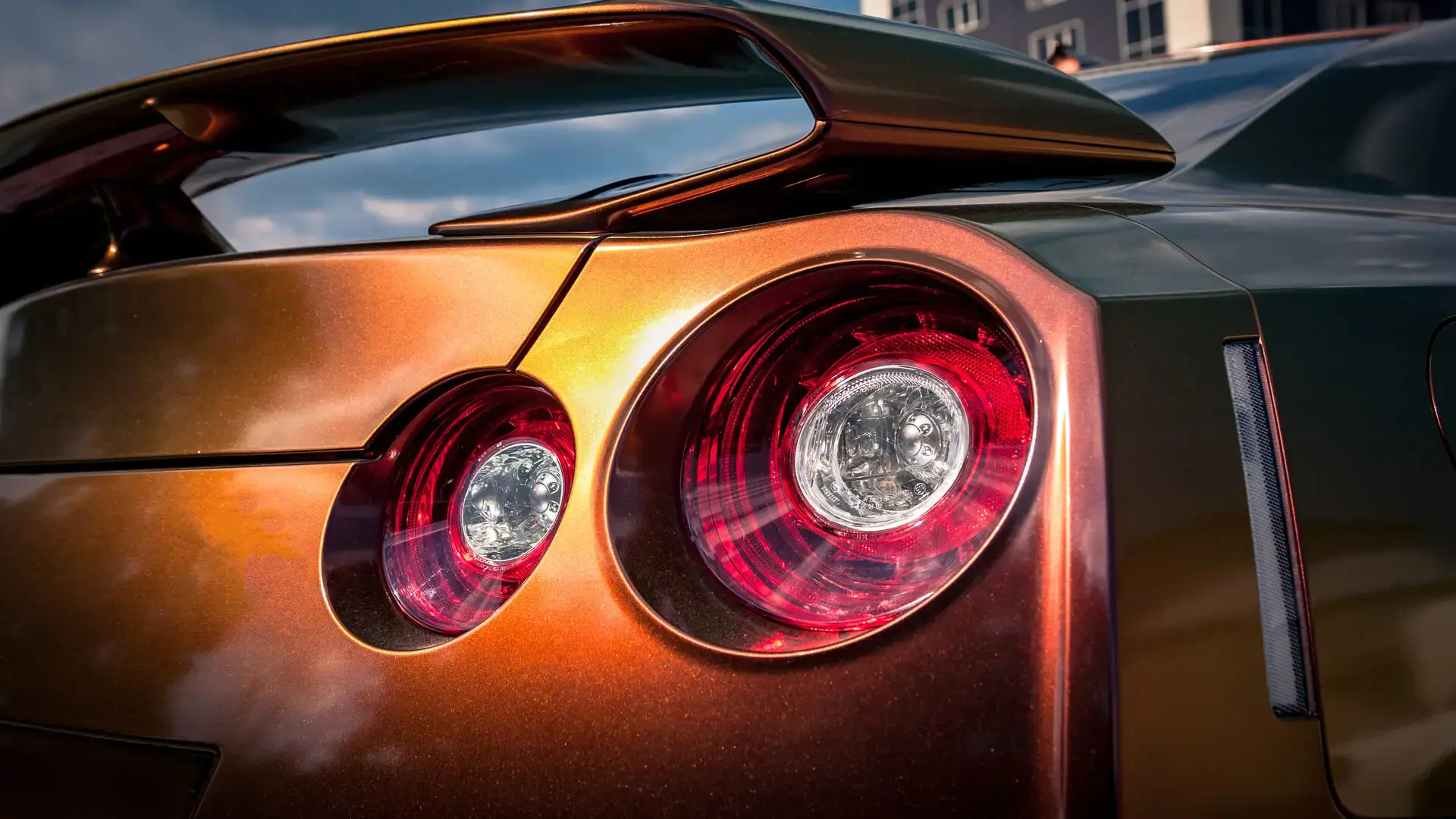
Renting a car can be a practical solution for temporary transportation needs, but when it comes to modified cars, the process becomes intrinsically intricate.
Modifications alter the original manufacturer's specifications, and this can result in significant challenges, especially within the realm of insurance coverage. If you're considering renting out your modified car—or renting one yourself—understanding these complexities is crucial to navigate the process effectively.
From higher insurance costs to potential legal implications, the world of modified car rentals is filled with both opportunities and hurdles that require careful forethought.
Understanding Modified Car Rentals
What Qualifies as a Modified Car?
A modified car refers to any vehicle that has undergone changes which differ from its original factory settings. These modifications can range from aesthetic enhancements, such as custom paint jobs and body kits, to performance upgrades like turbochargers and suspension changes. Other common modifications include advanced sound systems, nitrous systems, and engine swaps. Each of these changes has the potential to affect the vehicle's safety, performance, and insurance requirements. When renting such a vehicle, it's vital to clearly understand what modifications have been made and how they might influence the driving experience and potential liabilities.
The Appeal of Renting Modified Cars
The allure of renting modified cars often lies in the unique combination of enhanced performance and personalized aesthetics they offer. For automotive enthusiasts, these vehicles provide an opportunity to experience advanced driving dynamics that exceed those of factory-standard models. Enhanced engines deliver a boost in power, while specialized suspension systems promise superior handling. Aesthetically, modifications can cater to personal tastes, offering everything from flashy color schemes to custom interior trims, making each ride a personalized experience. Additionally, for special events or occasions, renting a modified car can add a distinctive touch, ensuring attention and admiration.
Navigating Insurance for Modified Rentals
Key Insurance Types for Renters
1.Liability Insurance: This covers damage or injury you may cause to others while driving the rented vehicle. It's typically mandatory and the bare minimum requirement.
2.Collision Damage Waiver (CDW): Often offered by the rental company, this waives your financial responsibility for damage to the vehicle, though it usually doesn't cover all types of modifications.
3.Personal Accident Insurance: Provides coverage for medical expenses related to injuries sustained in an accident, offering peace of mind for both driver and passengers.
4.Personal Effects Coverage: Protects personal belongings inside the vehicle from theft or damage, which might be especially pertinent if the car's modifications include enhanced in-car storage or compartments.
Before opting for any insurance plan, carefully review the policy details to ensure that it covers the specific modifications of the car and suits the intended use.
Why standard insurance is insufficient
Standard insurance policies are generally tailored for factory-standard vehicles, which leaves significant gaps when it comes to modified cars. The primary issue is that typical insurance does not account for the altered specifications and increased risks associated with modifications. Regular insurance might not sufficiently cover replacement costs for custom parts or performance enhancements. Furthermore, these policies often exclude specific types of modifications altogether. This means that in the event of an accident or damage, you could be left liable for costly repairs or replacements.
Additionally, modifications can influence the vehicle's safety profile and value, factors that standard policies generally don't adjust for. For anyone dealing with modified vehicles, it's essential to pursue specialized insurance that considers these unique elements. By doing so, you not only safeguard your financial interests but also ensure compliance with rental agreements that often stipulate comprehensive coverage.
Common Exclusions in Rental Insurance Policies
Rental insurance policies typically come with a range of exclusions, especially concerning modified vehicles. Understanding these exclusions is crucial for both the renter and the car owner.
1.High-Performance Modifications: Enhancements that elevate a car's speed, such as turbochargers, are often not covered. Insurers view these as increasing the vehicle's risk profile.
2.Cosmetic Alterations: Custom paint jobs or body kits may not be included, leaving you responsible for any related damages.
3.Aftermarket Add-ons: Features like custom interiors or high-end sound systems are frequently excluded, as they deviate from the manufacturer's setup.
4.Pre-existing Damage: Any damage present before the rental period generally isn't covered. It's vital to document the vehicle's condition before renting.
5.Off-Road Usage: Modified vehicles used for off-road activities often fall outside standard policy coverage, requiring specialized insurance.
When considering a modified car rental, thoroughly review the policy to identify what's excluded and weigh it against potential risks. This due diligence can prevent unexpected financial liabilities.
Potential Risks and Considerations
Safety Concerns with Modified Vehicles
Modified vehicles, while exciting, can present several safety concerns that both owners and renters need to consider. The increased performance capabilities, such as heightened speed and more responsive handling, can be thrilling but also demand greater driver skill. Without the right expertise or experience, these enhancements can lead to increased risk on the road.
Additionally, structural modifications like lowered suspension or aftermarket wheels might compromise vehicle stability and handling, especially in adverse weather conditions. Such changes can also affect the efficacy of the vehicle's original safety features like airbags and seat belts by altering their functionality.
Furthermore, some modifications might not comply with road safety regulations, which could lead to legal issues or invalidate insurance claims in case of an accident. It's crucial for users to ensure that any modifications are professionally installed and rigorously tested for safety compliance.
Legal Implications When Renting
Renting a modified vehicle involves navigated legal complexities beyond those encountered with standard car rentals. Firstly, there's the issue of road legality. Vehicles must comply with local traffic regulations, and modifications might render them non-compliant. For instance, noise regulations and emissions standards are commonly violated by modified exhaust systems, leading to fines or legal disputes.
Moreover, rental agreements will often include specific clauses regarding the condition and use of modified cars. Failing to disclose modifications can result in a breach of contract, potentially voiding insurance coverage and leaving renters liable for damages.
There's also the consideration of liability. Should an accident occur, the legal implications can become complicated, particularly if it's determined that a modification contributed to the incident. Both renters and owners should ensure that full disclosure of modifications is made, and that all legalities concerning roadworthiness and insurance are met.
Ensuring compliance with all relevant laws and contractual obligations is essential to minimize legal risks when engaging with modified car rentals.
Financial Risks Involved
When dealing with modified car rentals, both owners and renters face a multitude of financial risks that can be substantial. For renters, the primary risk is underinsurance. If the policy doesn't fully cover all modifications, any damage can result in hefty out-of-pocket expenses. According to a recent study by CarInsuRent, a global provider of car rental excess insurance, the average price charged by rental companies to fix is US$ 1,169. The highest claim for a collision damage seen by CarInsuRent is US$ 4,072. For modified vehicles this can be much higher!
Owners, on the other hand, might confront a depreciation challenge. While modifications can initially increase a vehicle's value, they can also make it less appealing on the resale market due to the niche buyer demographic. Additionally, the cost of specialized insurance for modified cars is often higher, increasing the overall expense of maintaining the vehicle.
There's also the possibility of unforeseen repair costs. Modified parts might require specialized attention, leading to higher repair fees or difficulties in obtaining parts. Furthermore, if a modification is determined to have contributed to an accident, the financial liability could be significant.
Ensuring comprehensive coverage and understanding these potential pitfalls is necessary to protect financial interests when renting or leasing a modified car.
The hurdles with car-sharing platforms
Turo's policy limitations
Turo, a popular car-sharing platform, offers insurance policies that can present challenges for those renting modified vehicles. One major limitation is that Turo's standard policies often don't cover custom parts or alterations, which means if a modification is damaged or stolen, it may not be reimbursed. This can lead to substantial financial burdens for owners relying on their modified cars as part of their Turo fleet.
Additionally, Turo requires owners to disclose all modifications, but even then, approval for coverage is not guaranteed. This process can be cumbersome and adds a layer of complexity that owners of standard vehicles don't typically face. Furthermore, there may be specific exclusions for high-performance modifications or luxury upgrades that increase the vehicle's risk profile.
For renters, these limitations mean they need to fully understand the scope of the insurance coverage provided by Turo and consider additional protection if necessary. It's essential for both parties to critically evaluate the policies to ensure that any potential liabilities are fully covered.
Higher costs
Renting a modified car through platforms like Turo often involves higher costs, which can impact both owners and renters. For owners, the enhanced value of modifications typically results in increased insurance premiums. Insurers may view modified cars as higher-risk, translating to more expensive coverage. These costs can cut into profit margins for owners renting their vehicles.
For renters, this can mean elevated rental rates compared to standard vehicles naturally due to the car's premium status and the higher insurance premiums borne by the owner. Additionally, renters might face additional fees mandated by the rental platform or insurance provider, especially if further coverage is needed to fully protect the modified elements.
Beyond basic rental and insurance costs, potential factors such as increased fuel consumption—especially if performance modifications affect engine efficiency—can lead to higher travel expenses. Renters should budget accordingly and carefully assess all cost factors to avoid unexpected financial strain.
The Role of Third-Party Excess Insurance
Introducing Third-Party Providers
Third-party insurance providers, such as CarInsuRent, can offer specialized coverage solutions for those engaging in modified car rentals, filling the gaps left by standard insurance policies. These providers typically offer tailored policies that align with the unique needs of modified vehicles, ensuring that custom parts and performance enhancements are adequately covered.
Such insurers often provide flexibility in their coverage options, accommodating the unique risks associated with modifications. They can customize policies to ensure everything from turbocharged engines to custom interiors is protected. For renters and owners on platforms like Turo, third-party providers might offer more comprehensive and cost-effective solutions compared to the platform's standard offerings.
Choosing a third-party provider requires thorough research. Look for providers with expertise in modified vehicles and check for reviews or testimonials from other car enthusiasts. By doing so, you'll be better equipped to safeguard your financial interests and enjoy peace of mind when renting or listing a modified vehicle.
CarInsuRent is a third-party provider that has successfully carved a niche in the specialized insurance market by offering tailored solutions for modified vehicle rentals. Their approach highlights the importance of customized coverage in ensuring comprehensive protection for both owners and renters.
The Catch
While third-party insurance providers like CarInsuRent offer specialized coverage that can be crucial for modified car rentals, there are also some potential drawbacks to consider. One common issue is the cost. Tailored insurance policies for modified vehicles can carry higher premiums than standard policies, reflecting the increased risk associated with non-standard parts and enhanced performance capabilities.
Additionally, not all insurers have the same level of expertise in handling modified vehicles, which means renters and owners must conduct thorough research to find a reputable provider. There might also be limitations in coverage, especially for extreme modifications that significantly alter the vehicle's original design and use.
Policy terms and conditions can be complex, requiring diligent reading to avoid any unwelcome surprises. Furthermore, claims involving modified vehicles can sometimes be subject to more scrutiny, leading to longer resolution times. Overall, while third-party providers like CarInsuRent can fill a crucial gap, it’s vital to weigh these potential catches against the benefits.
Conclusion
Questions to Ask Before Renting
What are the specific modifications on the vehicle? Understanding each modification helps gauge potential impacts on handling and safety.
Is there specialized insurance coverage for the modifications? Confirm that both standard and custom parts are adequately insured.
How do modifications affect the vehicle's performance and fuel efficiency? This will help you plan for any additional costs and adjust your driving expectations.
Are there any legal implications or restrictions related to these modifications? Ensure compliance with local laws to avoid fines or legal issues.
Who handles repairs for the modified parts, and where can they be serviced? Knowing this ensures proper maintenance during your rental period.
Asking these questions provides a clearer picture of what to expect and helps avert potential pitfalls associated with renting modified vehicles.
How to Verify a Valid Insurance Coverage
1.Request Documentation: Always ask for a copy of the insurance policy. This should detail the extent of coverage, including any clauses related to modifications.
2.Check Modification Coverage: Verify that the policy explicitly covers the specific modifications on the vehicle. This includes both performance and cosmetic changes.
3.Confirm Liability Limits: Ensure that the liability limits meet your personal or local minimum requirements. This is crucial for protecting against large claims resulting from accidents.
4.Investigate Exclusions: Scrutinize the policy for exclusions, which often include certain types of modifications or usages. Knowing what's not covered can prevent surprises later.
5.Validate the Provider: Check the credibility of the insurance provider and verify that the policy is active. This might involve contacting the insurer directly for confirmation.
By thoroughly examining these aspects of the insurance policy, you can proceed with confidence, knowing that both you and the vehicle are adequately protected.
Add a comment