
Wearable recovery tracking is changing how physical healing is measured after an accident. Instead of relying on memory or pain journals, your smartwatch captures real biometric data every day. In this guide, you’ll discover how wearables objectively prove recovery, stress, and limitations.
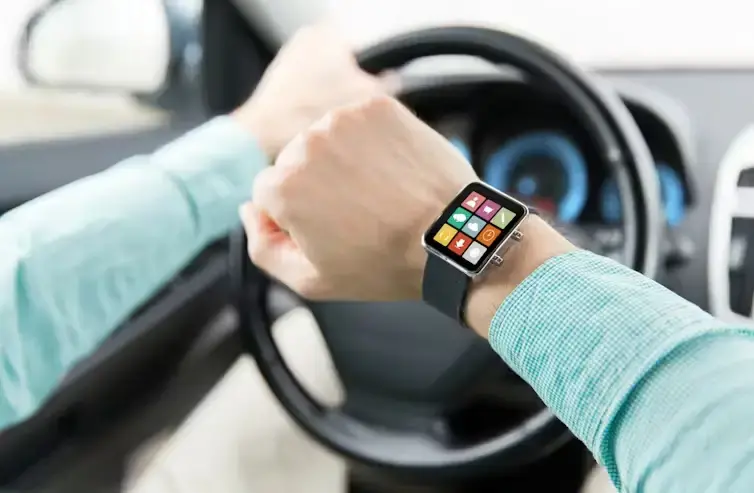
Recovering from a sudden collision often feels like solving a puzzle with the most vital pieces missing.
While a doctor sees a patient for twenty minutes every few weeks, the body is healing every second of every day.
How can you prove the depth of pain and limitation that exists between those fleeting clinical visits?
Smartwatches and fitness trackers bridge this gap by recording an objective, unbroken history of physical rehabilitation.
These tools anchor the healing process in hard data, capturing details that human memory often loses during high-stakes legal or medical scrutiny.
Whisk
Why Objective Data Outperforms Subjective Pain Journals
The traditional method of tracking recovery involves a handwritten journal where one notes daily discomfort levels. While well-intentioned, these journals are easily dismissed as biased or exaggerated. Data from a wearable device is different because it records biometric markers like resting heart rate and sleep quality without human interference. This creates a baseline of "normal" functioning that serves as a benchmark for progress.
When a person claims they cannot walk long distances, a step counter validates that assertion with hard numbers. It provides a quantifiable layer to the documentation. By transforming invisible suffering into a visible trend line, technology provides a level of clarity that words alone cannot achieve. It bridges the gap between what a person feels and what an insurance adjuster can actually verify.
How Biometric Sensors Measure Internal Physiological Stress
Modern wearables use advanced sensors to monitor how the body responds to the physical stress of an injury. By analyzing these subtle changes, the device provides a window into the internal healing process. Below is a breakdown of the specific metrics involved:
Heart Rate Variability
This metric measures the time variation between heartbeats, reflecting the status of the autonomic nervous system. A low variability often signals that the body is under significant physical or emotional stress. Monitoring this helps identify if the recovery plan is actually working or causing further strain.
Resting Heart Rate
An elevated resting heart rate typically indicates that the body is working overtime to repair damaged tissues or manage chronic inflammation. Tracking this over several months provides a clear visual representation of how the cardiovascular system is returning to its pre-accident efficiency levels.
Sleep Architecture Analysis
Recovery happens during deep sleep cycles when the body releases growth hormones for tissue repair. Wearables track these cycles to ensure the injury isn't causing silent disruptions. If a patient isn't reaching restorative sleep, their physical healing will be significantly delayed and documented.
What Movement Patterns Reveal About Orthopedic Injuries
If an accident results in a leg or back injury, the way a person moves changes fundamentally. Wearables monitor cadence, gait symmetry, and step impact to identify the subtle limping or favored sides that characterize orthopedic trauma. This data is essential because it uncovers biomechanical compensations that often remain invisible during a standard physical examination. Stewart Law Offices, a South Carolina car accident law firm, notes that "the little device on your wrist might someday be the key to proving your truth."
This digital record injects objective evidence into a process that has historically depended on the fallibility of human memory. These devices also monitor active minutes versus sedentary time. If a once-active individual becomes stationary for twenty hours a day, the device charts a definitive chronological map of that physical decline. This documentation provides a tangible record of the loss of "enjoyment of life" during the recovery process.
Where Legal Authority Validates Digital Health Evidence
The use of digital data in legal contexts is governed by established principles regarding the admissibility of electronic evidence. While specific rules vary, many jurisdictions look to standards similar to the Federal Rules of Evidence 901, which requires evidence to be authenticated. The following factors determine how this data is validated:
Authentication Requirements
To use wearable data as a reference, it must be proven that the data actually came from the person in question. This usually involves syncing the device to a verified account and ensuring the hardware is functioning correctly during the entire tracking period.
Relevance and Reliability
The data must be relevant to the specific injuries claimed in the legal matter. Courts often apply the Daubert Standard to ensure the underlying technology is scientifically valid. This ensures that the heart rate or step count data is seen as a reliable metric.
How To Best Implement Tracking For Medical Documentation
To make this data useful, it must be collected consistently and shared with medical professionals. It is not enough to simply wear the watch; the user must ensure the device is calibrated and the data is exported into readable reports. Practical adherence relies on these specific integration steps:
Consistent Wear Time
For the data to be statistically significant, the device should be worn twenty-four hours a day. This includes during sleep and all daily activities. Gaps in the data can lead to accusations of "cherry-picking" only the days when the pain was most severe.
Integration With Medical Records
Users should bring their data summaries to doctor appointments to be included in the official medical record. When a physician reviews and comments on the wearable data, it transforms from a personal gadget log into a medically recognized piece of clinical history.
Practical Steps For Tracking Your Rehabilitation
- Purchase a high-grade device that tracks Heart Rate Variability (HRV) and detailed sleep stages rather than just a basic step counter.
- Establish a baseline immediately by wearing the device as soon as possible, even if you are initially bedbound, to show the starting point of your recovery.
- Export monthly PDF reports and save them in a secure folder to ensure the data isn't lost if the device or phone app updates.
- Log your symptoms within the device's app to correlate high-stress biometric readings with specific pain events or physical therapy sessions.
Frequently Asked Questions
Can insurance companies use my wearable data against me?
Yes, companies use data showing high activity levels to argue that your physical injuries are less severe than claimed.
Which biometric marker is the most important for proving an injury?
Heart Rate Variability is the strongest marker because it provides an objective, involuntary measure of your body's stress levels.
Do I need a doctor's permission to use wearable data in a legal case?
No, but having a physician review and include the data in your official medical records adds significant professional credibility.
What happens if I forget to wear my device for a few days?
Occasional gaps are normal, but you should note the reason to ensure the overall data remains a reliable record.
Add a comment