
Donut Lab has revealed a solid-state EV battery capable of a full five-minute recharge. Shown at CES 2026, the pack promises high energy density, exceptional durability, and real-world use beginning this year.
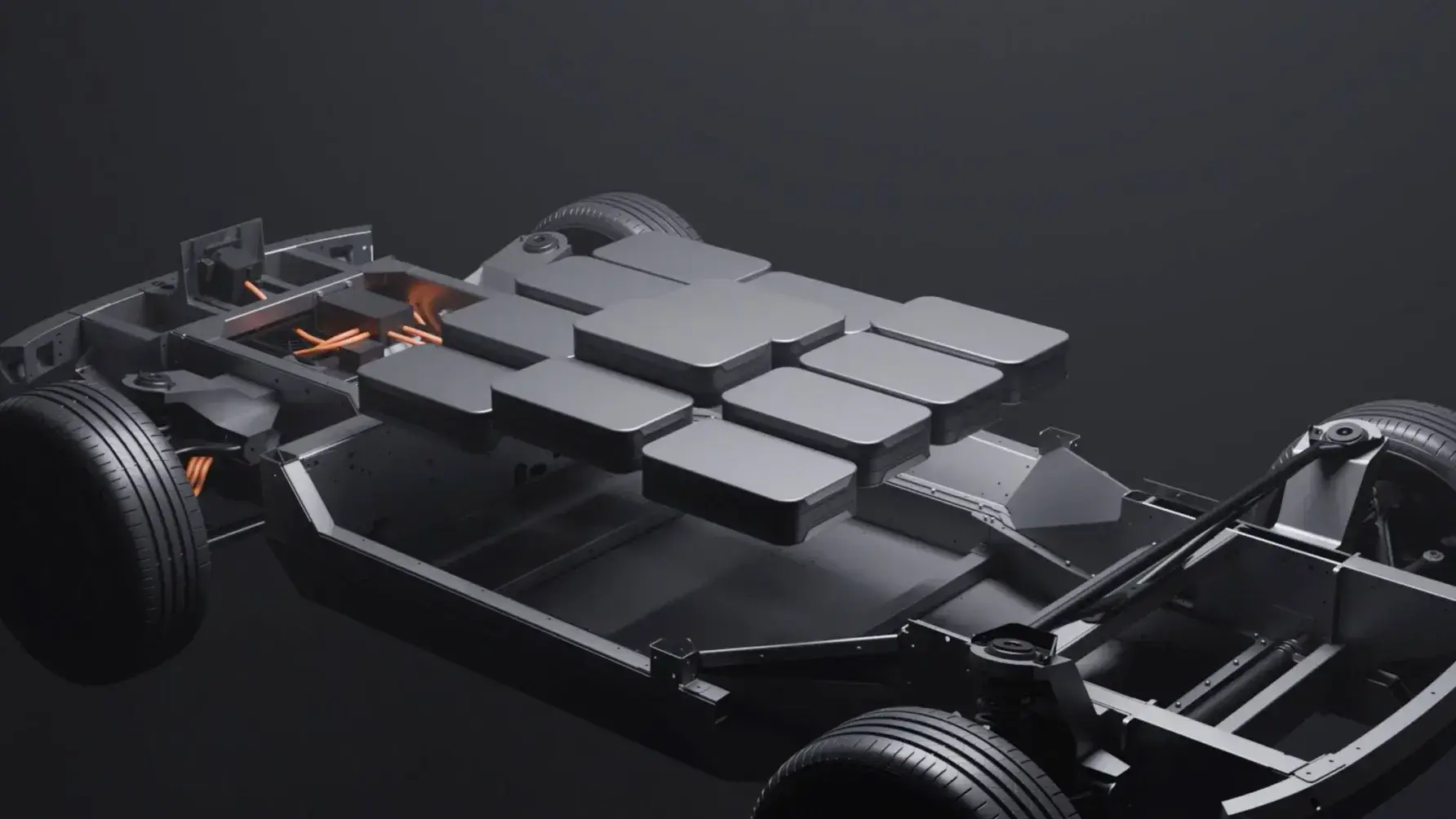
Solid-state EV battery technology has taken a decisive step out of the lab and onto the road.
At CES 2026 in Las Vegas, Donut Lab unveiled a new battery specifically designed for electric vehicles that can recharge to full capacity in just five minutes, while promising exceptional durability, safety, and scalability for mass production.
Long touted as the next big leap in electrification, solid-state batteries have repeatedly been described as "five years away." Donut Lab now claims that the future has arrived, with a production-ready solution already heading into real-world use in early 2026.
Five-Minute Charging Meets Real-World Energy Density
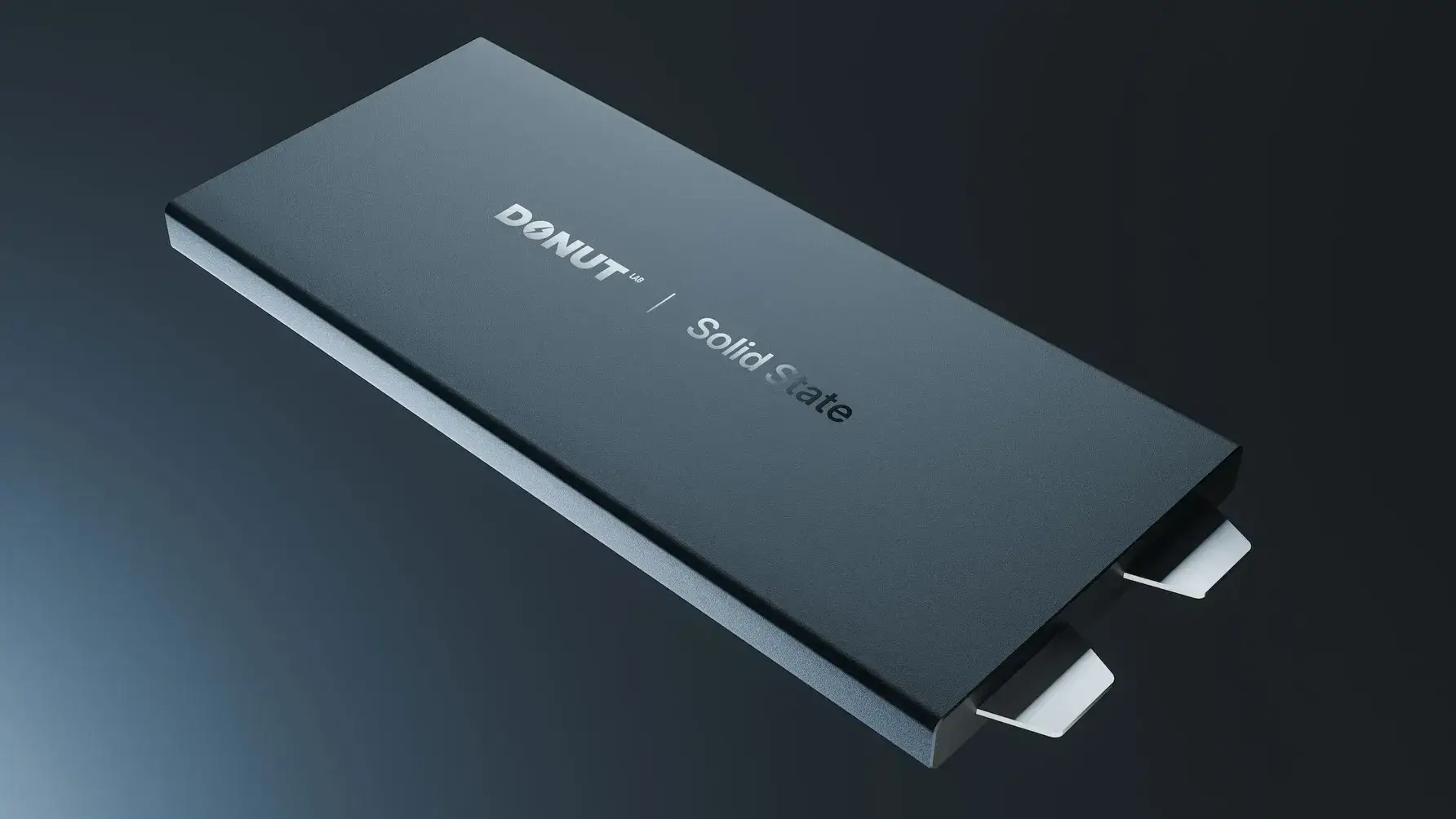
The headline figure is charging speed. Donut Lab says its new solid-state unit can reach 100 percent charge in five minutes, a claim that, if validated at scale, could fundamentally change how drivers think about EV ownership.
The battery delivers an energy density of 400 Wh/kg. While this doesn't reach the four-digit numbers sometimes promised by experimental solid-state concepts, it still represents a substantial improvement over many current lithium-ion packs.
More importantly, Donut Lab emphasizes that this performance is available in a production-ready design rather than a fragile lab prototype.
Extreme Durability and Thermal Stability
Beyond fast charging, Donut Lab is placing heavy emphasis on longevity and safety. According to the company, the battery has been tested through an extraordinary 100,000 charge cycles while maintaining 99 percent capacity retention.
Thermal resilience is equally impressive on paper. Testing reportedly covered temperatures from -30°C to over 100°C, with no signs of ignition, degradation, or capacity collapse. If these claims hold up under independent validation, the technology could address two of the biggest pain points in EV adoption: battery lifespan and thermal safety.
Built From Abundant, Geopolitically Safe Materials
Donut Lab has been notably tight-lipped about the battery's internal construction. The company will only confirm that the solid-state battery is made entirely from "abundant, affordable and geopolitically safe materials."
That phrasing appears deliberate, reflecting growing industry concerns around supply chain security, critical minerals, and long-term cost stability as electric vehicle adoption accelerates globally.
First Deployment Comes on Two Wheels
Rather than debuting in a passenger car, Donut Lab's first real-world application will arrive in Verge Motorcycles' TS Pro and TS Ultra electric motorcycles. Road use is scheduled for Q1 2026, marking one of the first commercially deployed solid-state batteries in consumer vehicles.
Donut Lab CEO Marko Lehtimäki framed the announcement as a turning point for electrification:
"While the advantages are obvious, the future of solid-state batteries has been a moving target constantly delayed when companies working in electrification are asked about when they will become a reality.
Our answer on solid-state batteries being ready for use in OEM production vehicles is now, today, not later. Donut Lab has engineered a new high-performance solid-state Donut Battery that can be scaled to major production volumes and seen now in real-world use in the Verge Motorcycles bikes out on the road in Q1."
Flexible Design Could Reshape EV Architecture
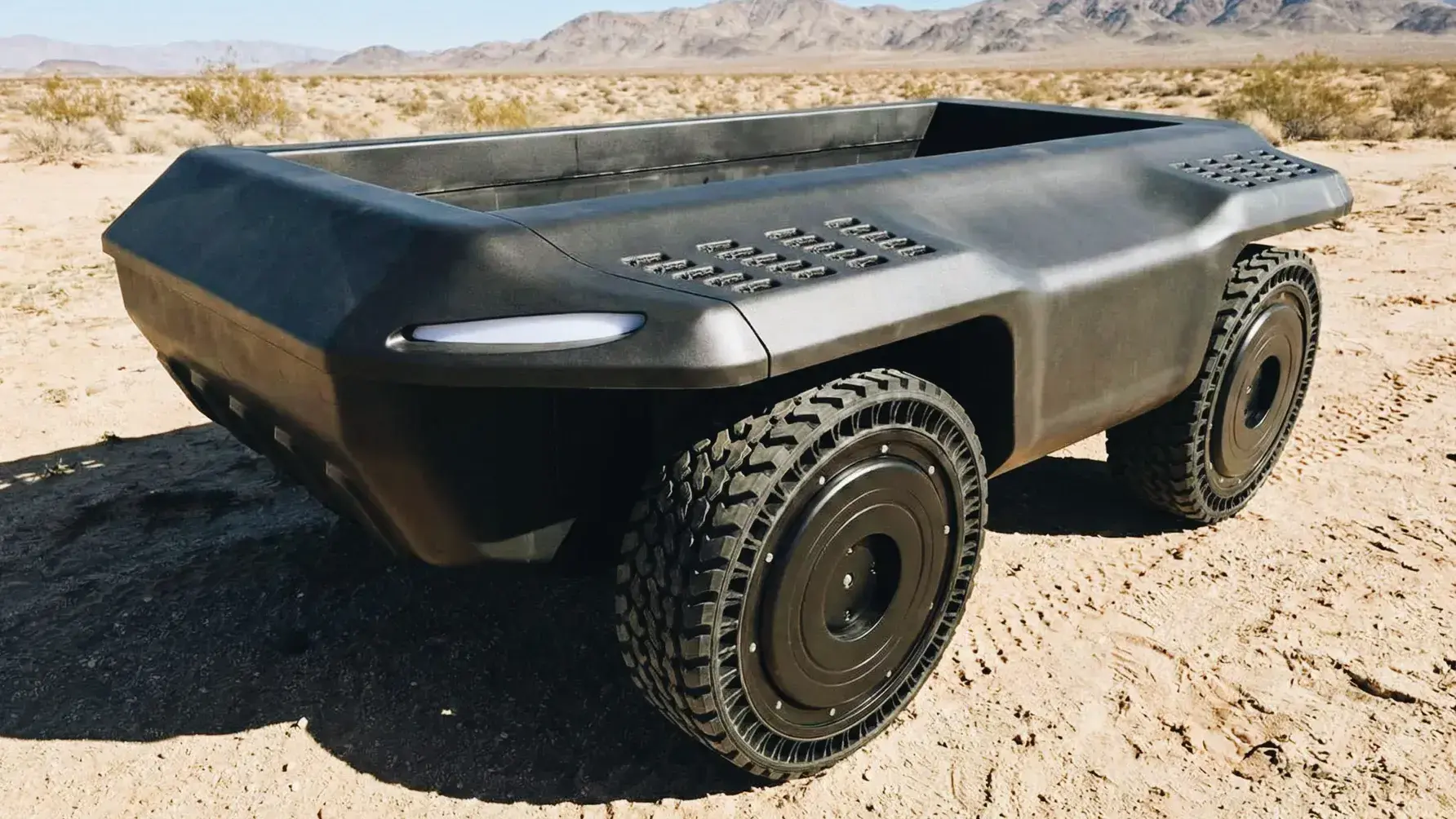
In keeping with Donut Lab's unconventional engineering approach, the company also developed Verge's eye-catching in-wheel motor. The new battery is designed to be custom-shaped for different applications.
According to Donut Lab, the solid-state battery can be scaled to fit virtually any size or form factor. In more radical applications, it could even serve as a structural component of a vehicle, or as the main body of a drone, blurring the line between energy storage and chassis design.
Why This Matters for the Future of EVs
If Donut Lab can deliver on its claims at scale, the implications for electric vehicles are significant. Five-minute charging directly tackles range anxiety, while extreme cycle life could dramatically lower long-term ownership costs. Combined with safer chemistry and flexible packaging, the technology opens the door to entirely new vehicle architectures.
While widespread automotive adoption will still depend on cost, validation, and OEM partnerships, Donut Lab's CES 2026 reveal suggests that solid-state EV batteries may finally be crossing the threshold from promise to production.


Written By



Car News solid-state EV battery electric vehicle technology EV charging innovation Donut Lab CES 2026 five-minute EV charging next-gen EV batteries
Related posts

This GT86 AE86 Bodykit Turns Toyota’s Coupe Into a Legend
Result Japan has unveiled a GT86 AE86 bodykit that turns Toyota’s modern coupe into a retro classic, with its Tokyo show debut set to draw serious attention.

Mercedes-AMG GT S Track Car for Sale on Bring a Trailer
Up for auction on Bring a Trailer, this 2016 Mercedes-AMG GT S has been transformed into a track-ready machine with Pure900 turbos, Öhlins suspension, and a lightweight racing interior.

In Luxury Cars
BMW Alpina Brand Goes Solo as BMW Takes Full Control
The BMW Alpina brand has officially entered a new era as BMW takes full ownership of the iconic performance specialist. This move reshapes a decades-long partnership that defined understated luxury and speed. Here’s what it means for future Alpina models and BMW fans.
Add a comment