
These worst-selling cars prove that even big automakers can misjudge the market. Some were too weird, too early, or too expensive — and buyers walked away. Here you'll discover nine of the most legendary sales flops and why they’re now automotive curiosities.
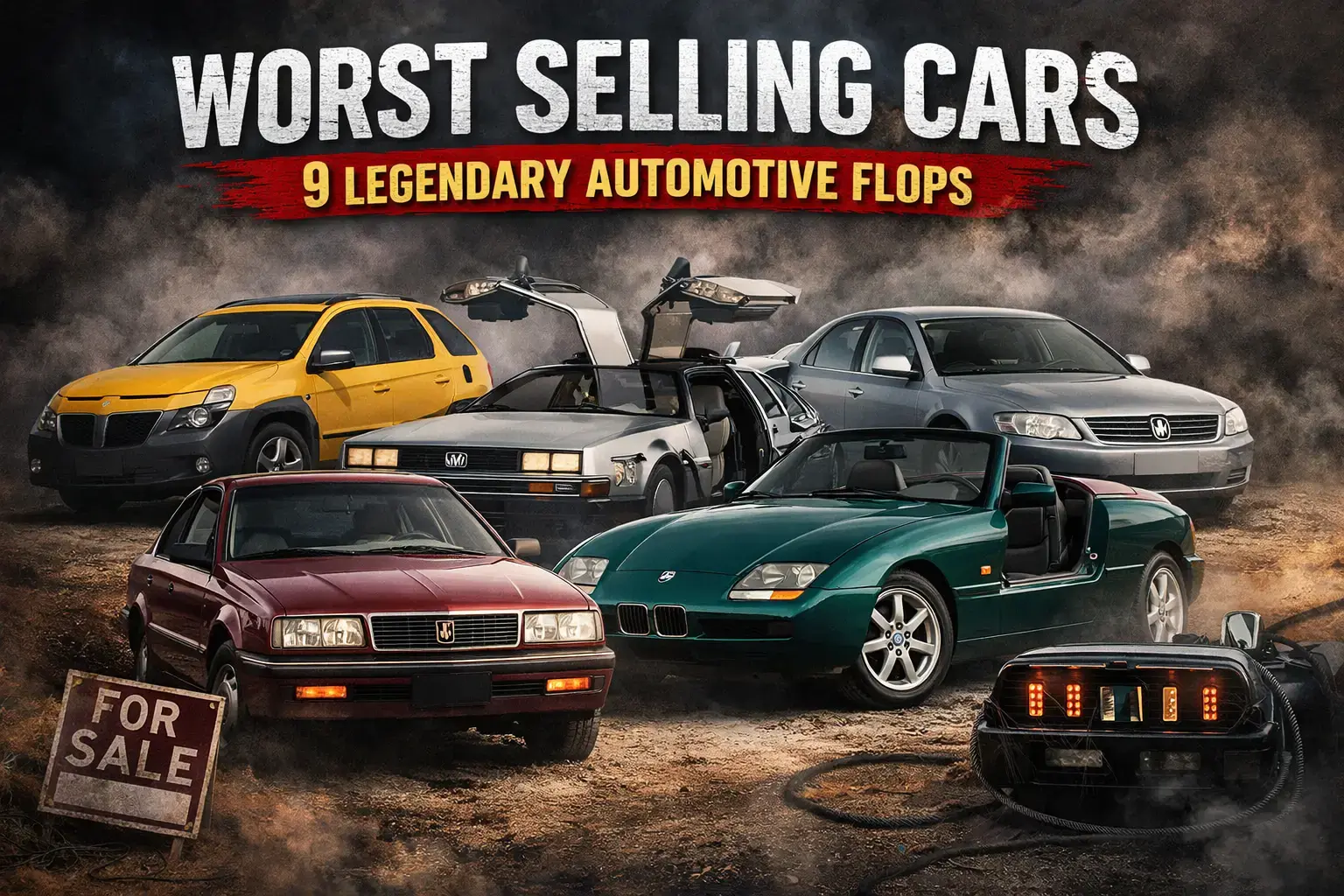
Automotive history isn’t just written by the icons that sold by the millions. It’s also shaped by the oddballs, misfires, and misunderstood machines that barely made it off showroom floors.
These legendary sales flops prove that even big brands can misjudge the market — sometimes spectacularly.
Below, we visit nine of the worst-selling cars of recent decades, examining why they failed, what made them interesting, and how they’ve become cult curiosities today.
1. Pontiac Aztek (2000–2005): A Pioneer Undone by Design
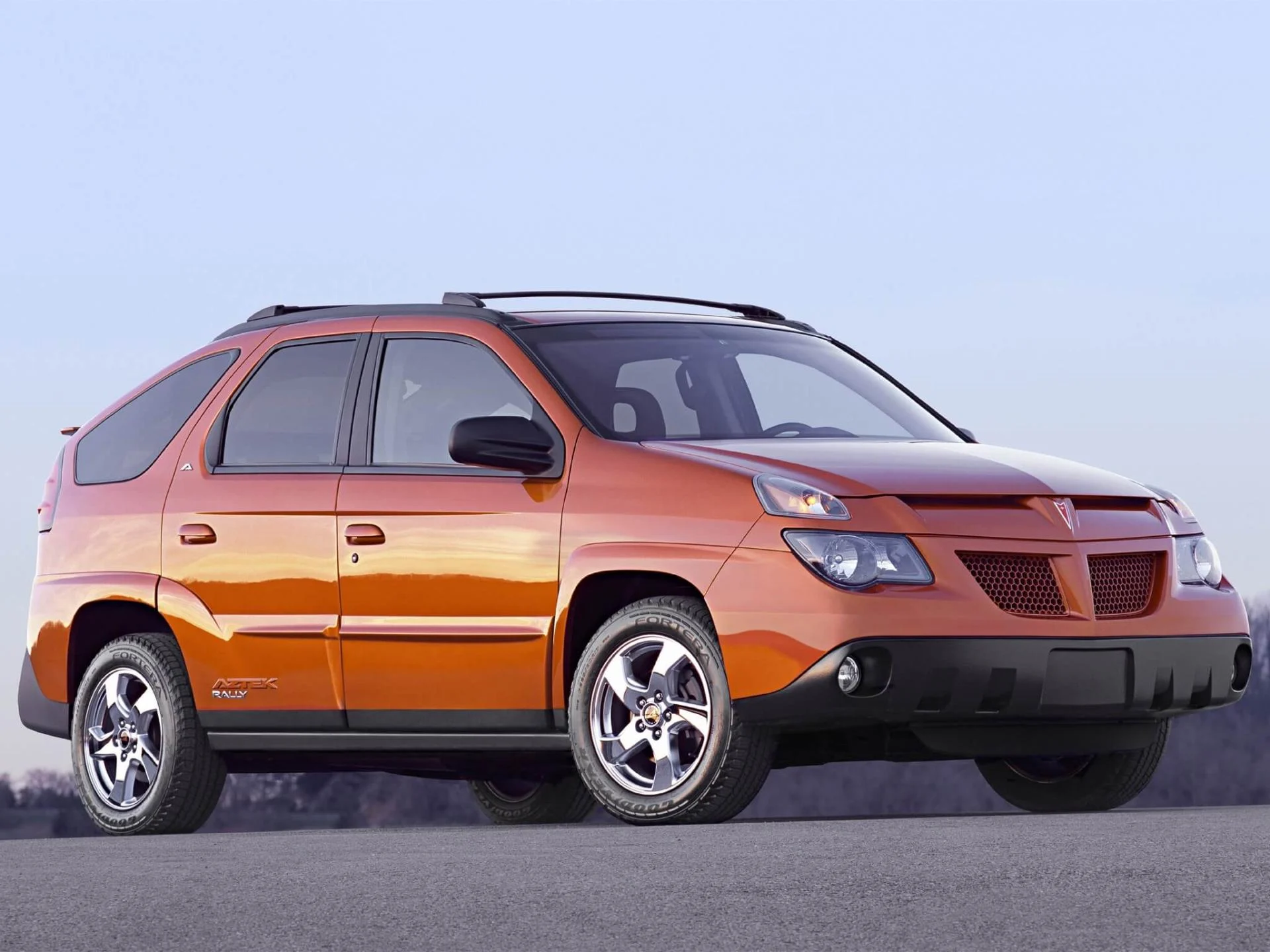
The Aztek was GM’s attempt at creating a bold, lifestyle-focused crossover before the segment exploded. It offered clever packaging, all-wheel drive, and camping accessories.
But its polarizing styling became a punchline. Fewer than 120,000 units sold. Years later, Breaking Bad revived interest, turning it into a cult collectible.
2. Volkswagen Phaeton (2002–2016): Luxury Without a Badge
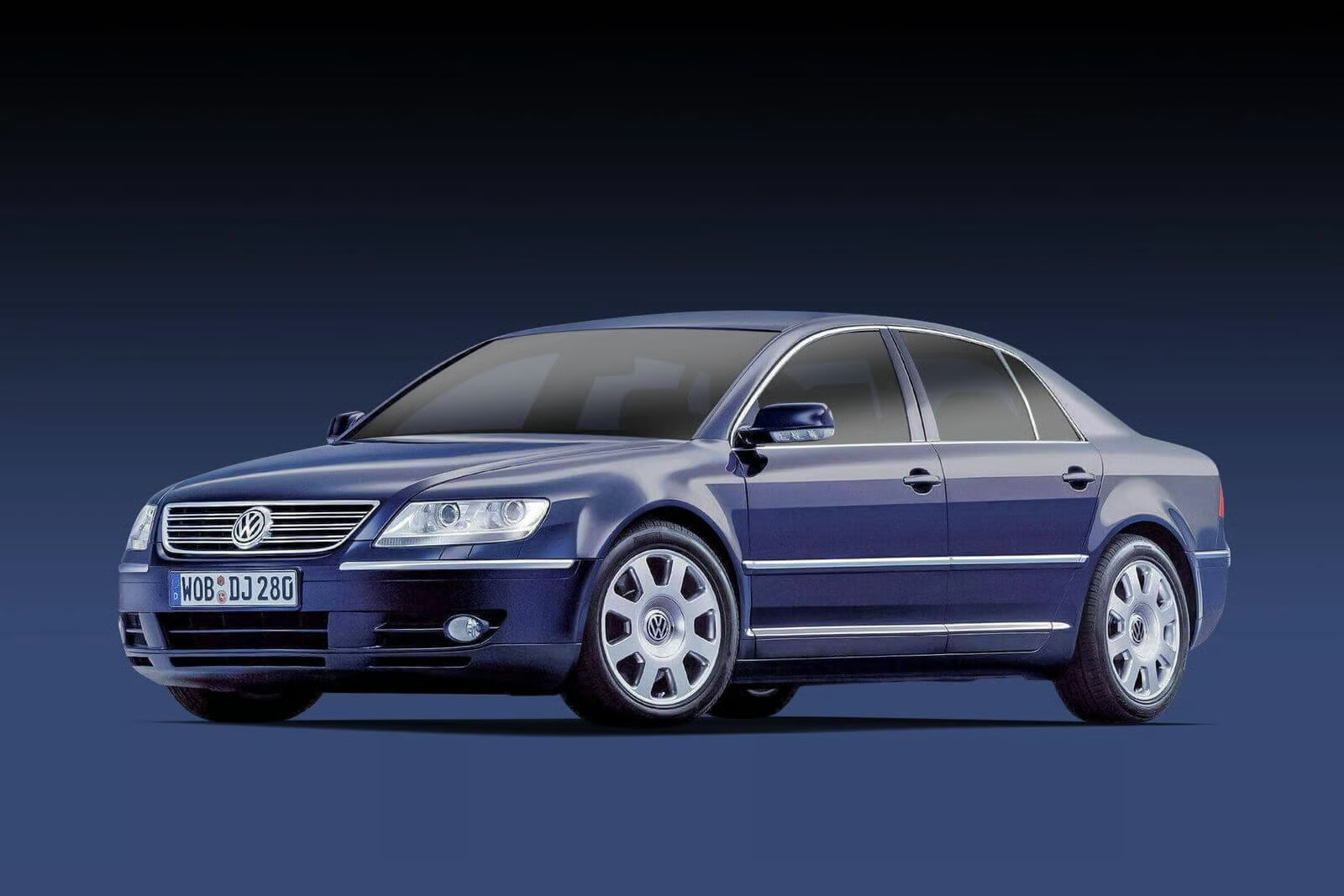
VW set out to build a flagship luxury sedan to rival Mercedes. The Phaeton delivered astonishing refinement and available W12 power with meticulous engineering.
Luxury buyers, however, didn’t want a six-figure Volkswagen. Despite critical respect, it was a commercial failure in key markets.
3. BMW Z1 (1989–1991): Doors of the Future, Prototype Production
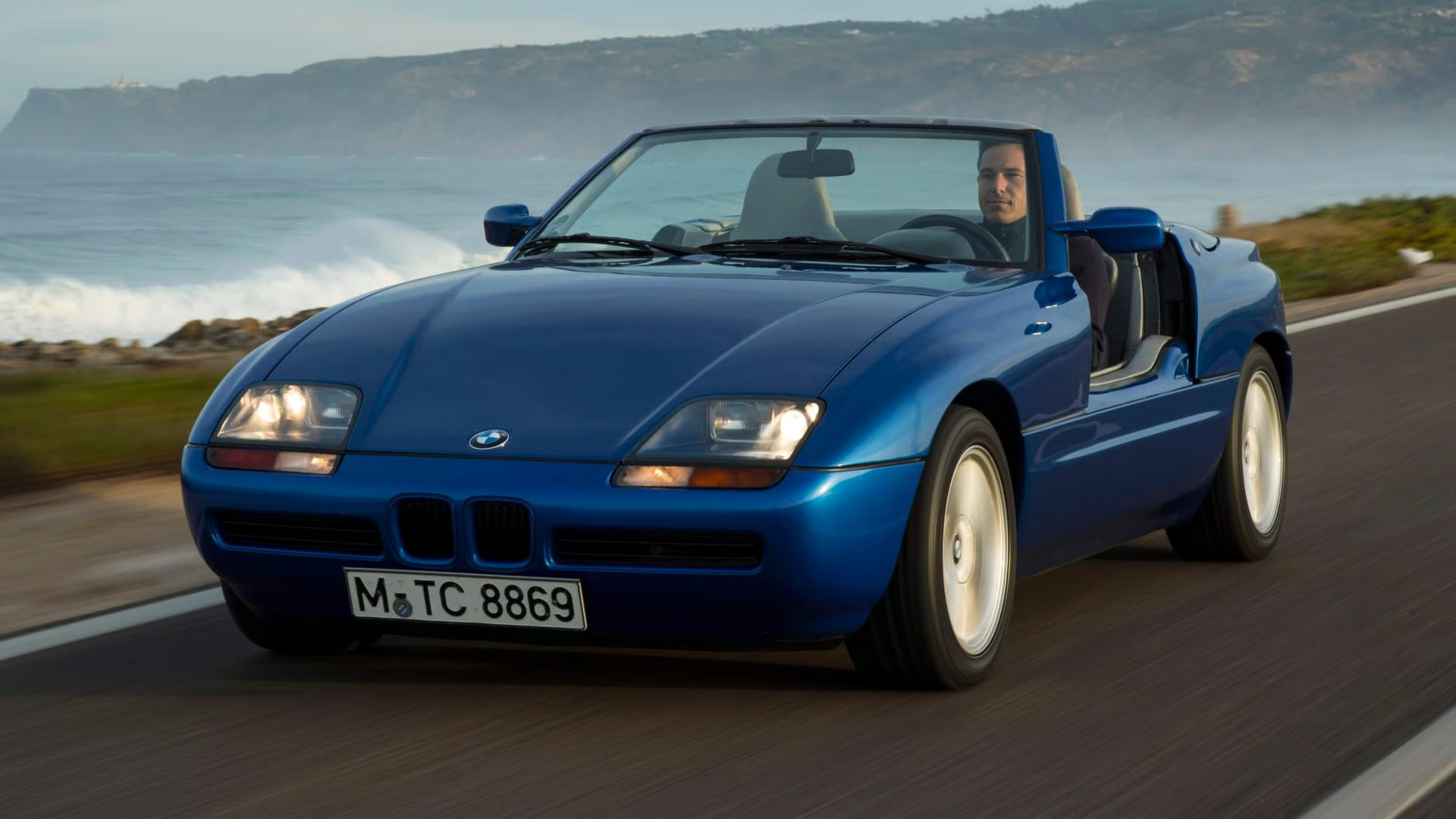
With sliding doors and composite body panels, the Z1 felt like a concept car that escaped the studio. Pricing was high, and production intentionally limited.
BMW built fewer than 8,000 units. It wasn’t a total disaster, but the hype prevented mainstream success.
4. Cadillac Cimarron (1982–1988): The Badge Gamble That Backfired
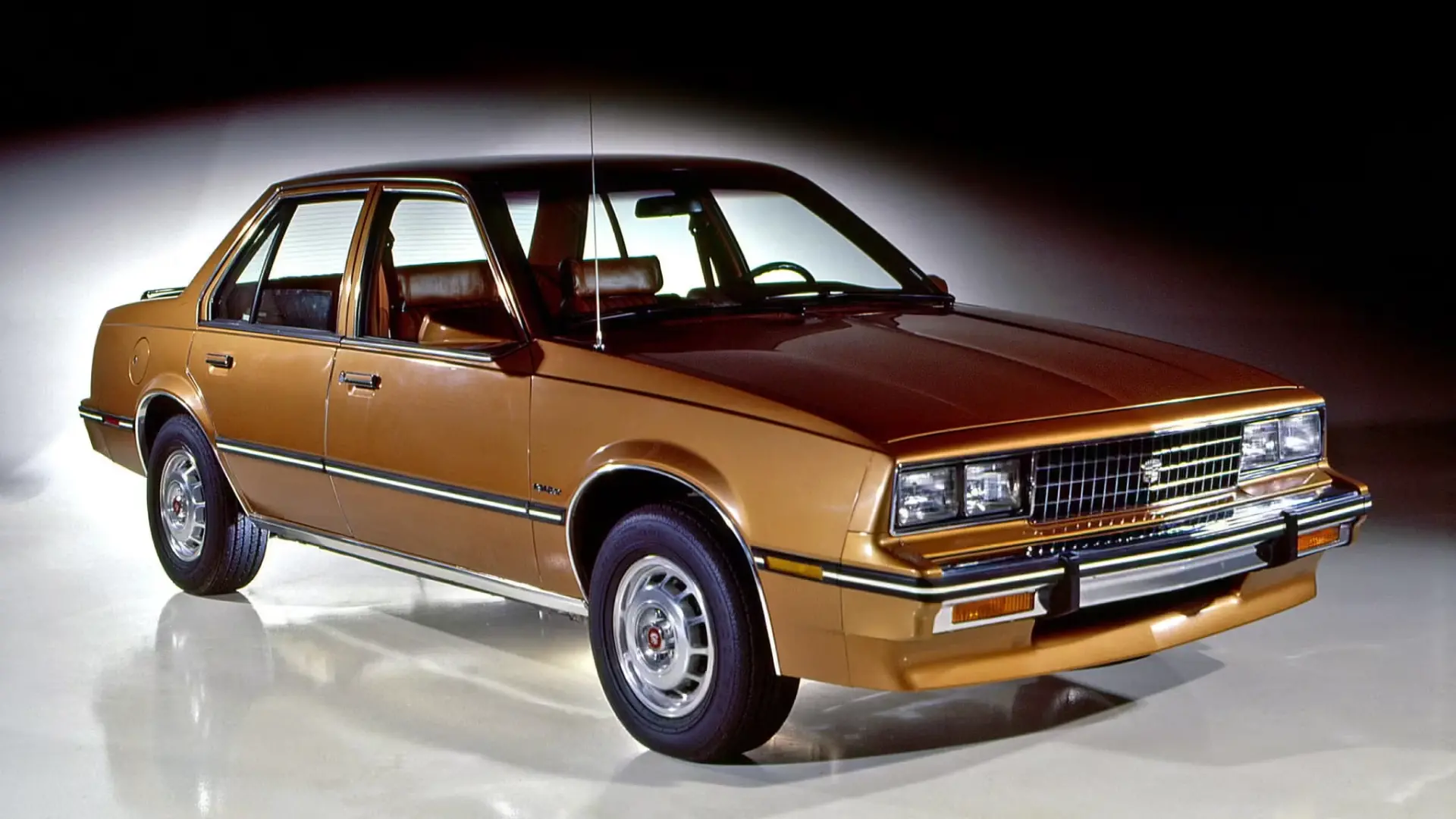
Rebadging a basic GM compact and calling it a Cadillac proved a masterclass in misreading market expectations. Buyers weren’t convinced.
Sales fizzled quickly, and the Cimarron became a long-term branding lesson for Cadillac.
5. Renault Avantime (2001–2003): Too Bold for Its Era
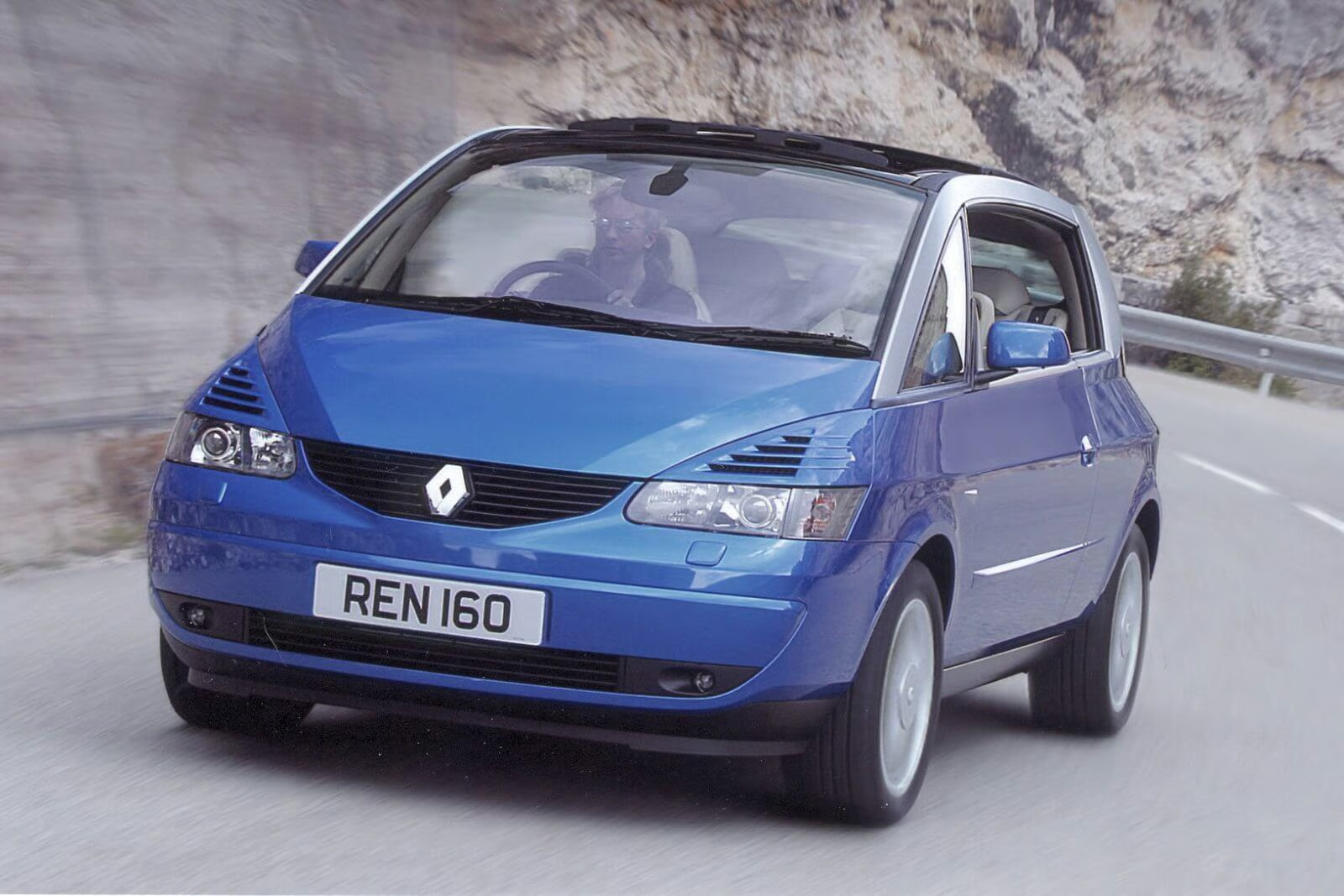
The Avantime merged MPV practicality with coupe styling. It was visionary and genuinely stylish — just not what buyers wanted in the early 2000s.
Around 8,500 units were built. Today, enthusiasts prize it for the same reasons mainstream buyers avoided it.
6. Honda Insight (Gen 1, 1999–2006): Genius Without Mainstream Appeal
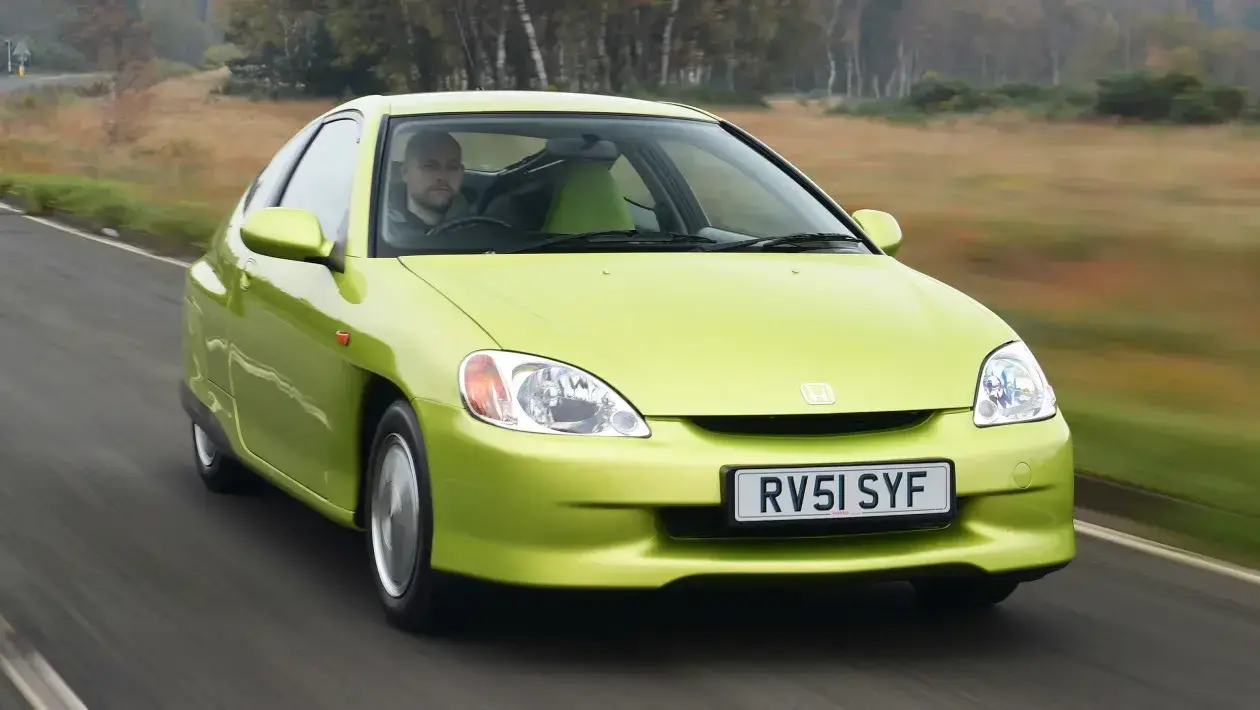
The first Insight featured extreme aerodynamics, lightweight construction, and excellent real-world fuel economy.
However, two seats, quirky styling, and Toyota’s Prius meant it remained a niche vehicle. A technical triumph, a commercial flop.
7. Subaru SVX (1991–1996): Exotic Ambition Meets Market Reality
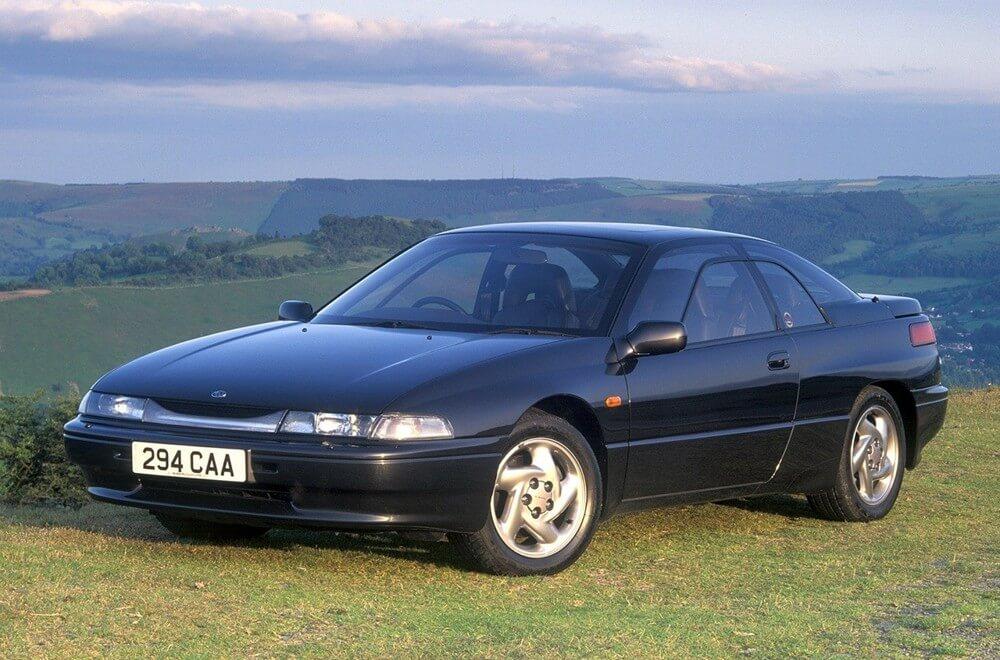
Styled by Giorgetto Giugiaro, the SVX wore dramatic window-within-a-window glass, a six-cylinder engine, and standard AWD.
Pricing pushed into luxury territory where Subaru lacked brand prestige. Fewer than 25,000 sold globally.
8. DeLorean DMC-12 (1981–1983): Stainless Steel Stardom
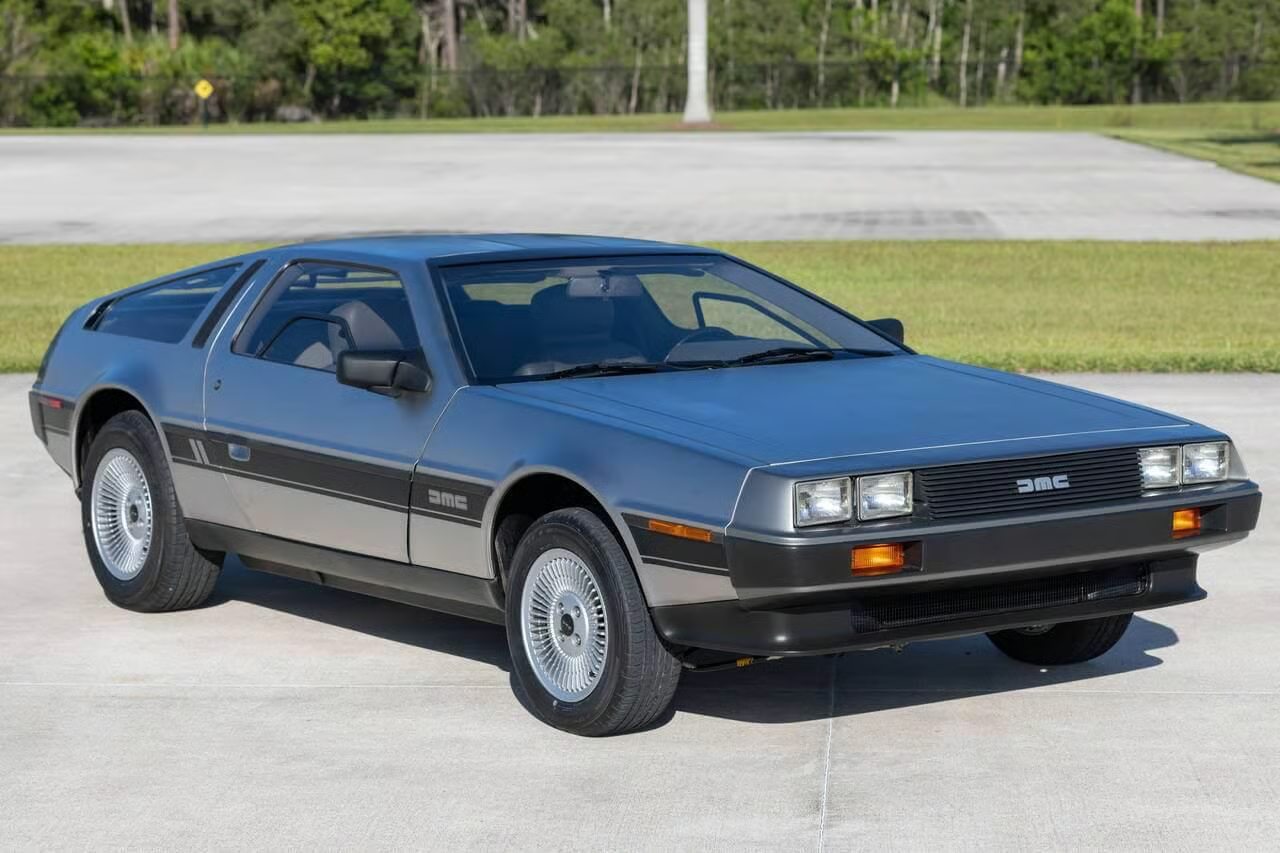
Despite Hollywood fame, DeLorean collapsed after producing roughly 9,000 cars. Fit issues, performance shortcomings, and corporate turmoil hurt demand.
Today, the DMC-12 remains one of the most iconic sales flops ever built.
9. Chevrolet SSR (2003–2006): Retro Pickup, Undefined Purpose
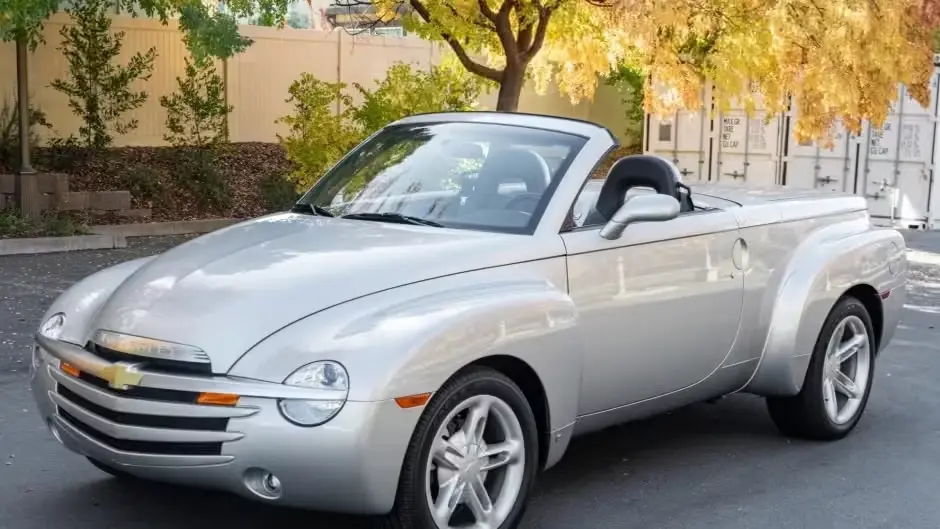
Part hot rod, part pickup, part cruiser, the SSR struggled to justify its niche. It wasn’t sporty, practical, or affordable enough to attract buyers.
GM improved performance late in its run, but by then the market had moved on.
Why Great Ideas Sometimes Fail
These nine machines didn’t flop because they lacked creativity. They failed because they arrived too early, too expensive, too niche, or too misunderstood.
Common themes across these automotive sales flops include:
- Misread consumer demand
- Brand-positioning conflicts
- Radical styling
- Pricing mismatches
- Technology ahead of its time
- Lack of practical value
Yet many now have cult status — proving originality ages better than mediocrity.
Market Legacy & Future Outlook
As EVs and digital design reduce barriers to experimentation, expect more bold ideas and more future flops.
Tomorrow’s cult classics are already on design boards.
Expert Takeaway
Sales failures aren’t just cautionary tales. They’re proof that carmakers still take risks in a data-driven industry — something enthusiasts continue to celebrate.
Written By



Car News worst selling cars automotive sales flops discontinued cars Pontiac Aztek Volkswagen Phaeton DeLorean DMC-12 2000s car market cult classic cars
Related posts

Toyota GR Yaris Morizo RR Unveiled as Limited Nürburgring Special
The Toyota GR Yaris Morizo RR takes cues directly from Akio Toyoda’s Nürburgring race car. Built for enthusiasts, it blends motorsport tuning with daily drivability.

Alfa Romeo Giulia Quadrifoglio Luna Rossa: Super Saloon With Aero And Attitude
The Alfa Giulia Quadrifoglio Luna Rossa gets a more aggressive aero kit and limited-edition status. It’s a rare, 186mph super saloon that collectors are keeping an eye on.

This GT86 AE86 Bodykit Turns Toyota’s Coupe Into a Legend
Result Japan has unveiled a GT86 AE86 bodykit that turns Toyota’s modern coupe into a retro classic, with its Tokyo show debut set to draw serious attention.
Add a comment